Wall Street analyst ratings can help investors spot opportunities in growth stocks like Netflix (NASDAQ: NFLX), Advanced Micro Devices (NASDAQ: AMD), and Apple (NASDAQ: AAPL). But a Buy rating or higher price target should begin your research, not settle the decision.
Often, they’re influenced by:
- Company fundamentals, such as financial health, future growth, and even meetings with management
- Industry and market trends, including specific market conditions and economics
- Earnings and financial data, including earnings reports that came in better than expected, or competitive analysis of a competitor
- Management’s forward guidance
However, before jumping into growth stocks just because your favorite analyst upgraded it, do your own due diligence, fundamentally and technically.
Netflix Shows Why Analyst Targets Can Be Misleading
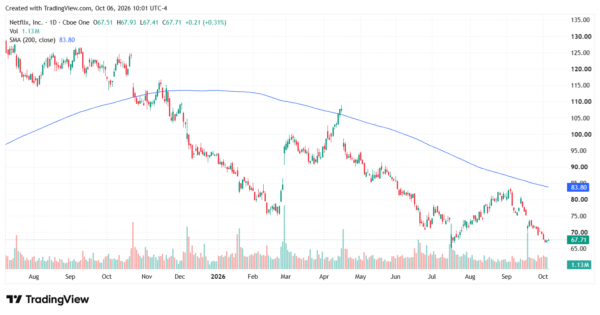
Netflix is a useful example of why investors in growth stocks should look beyond the headline rating. In a Goldman Sachs note, the firm maintained its Buy rating on Netflix while lowering its 12-month price target to $90 from $94. Goldman acknowledged investor concerns and the stock’s underperformance for the year, citing estimate adjustments behind the reduction.
That combination deserves attention.
Someone scanning the headline might see “Buy” and assume Goldman’s outlook had become more bullish. But the lower target shows that its estimate of the stock’s potential value moved down, even though its overall recommendation stayed positive.
The useful question is what changed underneath that recommendation. Were revenue assumptions reduced? Did expected expenses increase? Did the analyst change the valuation assigned to future earnings? The excerpt does not provide enough detail to answer those questions, which makes the full report more valuable than the headline.
AMD’s Higher Price Target Raises the Bar for Growth
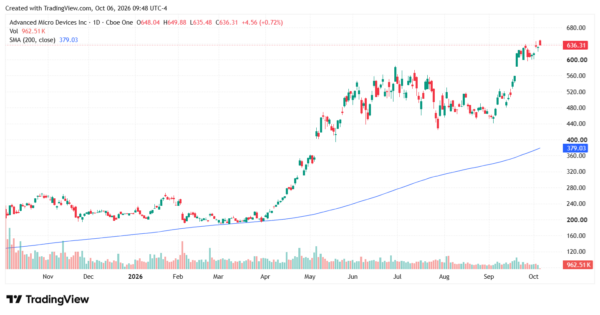
Mizuho’s call on Advanced Micro Devices moves in the opposite direction. The firm reiterated Outperform and raised its price target to $705 from $580. For investors evaluating growth stocks, AMD’s higher target makes the assumptions behind the forecast especially important. A revision that large should prompt a closer look at the assumptions.
For AMD, useful questions include whether expected sales are rising, whether profit margins could improve, and how much growth the valuation already assumes. Investors should also consider competition and the possibility that customer spending develops more slowly than anticipated.
A higher target becomes more useful when investors understand what must happen for the company to support it. Otherwise, an impressive number can encourage excitement without improving anyone’s understanding of the investment.
Apple’s iPhone Demand Gives Its Growth Story a Boost
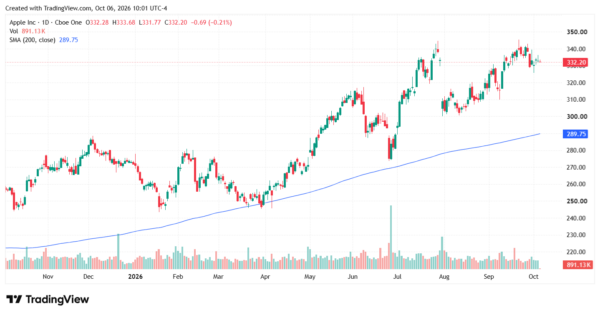
Apple remains one of the market’s most closely followed growth stocks, making demand data particularly important to its investment case. Bernstein maintained its Outperform rating on Apple, pointing to research suggesting strong iPhone demand.
According to the excerpt, its checks indicated that global iPhone sell-through revenue increased 13% in August from a year earlier, with growth across all markets. Bernstein attributed the improvement to both higher unit sales and higher average selling prices. Bernstein’s research provides a useful signal. The next step is checking whether additional evidence supports it.
How to Use Analyst Ratings to Find Growth Stocks
There is another reason to keep some distance from analyst recommendations: potential conflicts of interest. Research firms may have business relationships with the companies they cover. That does not automatically invalidate their analysis, but it makes the report’s disclosures worth reading.
The United States Securities & Exchange Commission (SEC) cautions investors against relying solely on analyst recommendations and advises readers to understand how each firm defines its ratings.
A practical approach is to compare competing arguments, review company filings, and identify what would prove the bullish case wrong. Also check whether the analyst’s time horizon matches yours. A 12-month target offers little guidance about what shares might do next week.
Keep the Final Decision in Your Hands
Netflix, AMD and Apple are three growth stocks that show how different the stories beneath positive ratings can be: reduced expectations, a sharply higher valuation target and encouraging demand research.
Following those developments can make you a better-informed investor. Following them automatically can leave you owning a stock for reasons you cannot explain.
Use analysts to discover ideas, challenge assumptions, and sharpen your questions. Then weigh the evidence against the price and your own tolerance for losses. The strongest investment decision is one you understand well enough to defend, even after the analyst changes the recommendation.