It’s always a good idea to keep track of analyst calls. Bullish analyst ratings can help investors identify stocks with improving growth prospects, favorable industry trends, or upcoming earnings catalysts. However, positive ratings are only a starting point when evaluating bullish stocks.
Often, bullish analyst ratings are influenced by (1) company fundamentals, such as financial health, future growth, and even meetings with management; (2) industry and market trends, including specific market conditions and economics; (3) earnings and financial data, including earnings reports that came in better than expected, or competitive analysis of a competitor; and (4) guidance.
However, before jumping into a stock just because your favorite analyst upgraded it, do your own due diligence, fundamentally and technically. Bullish analyst ratings do not guarantee that a stock will outperform, particularly when its valuation already reflects strong growth expectations.
What Stocks Are Getting Bullish Analyst Ratings?
That being said, here are three stocks receiving bullish analyst attention. Apple (NASDAQ: AAPL), Amazon (NASDAQ: AMZN), and Advanced Micro Devices (NASDAQ: AMD) are giving Wall Street analysts fresh reasons to remain bullish.
- For Apple, the opportunity centers on refreshed hardware and pricing power.
- For Amazon, it comes down to cloud computing and retail growth.
- For AMD, expectations hinge on demand for data center chips.
Those are three different investment stories, but they raise the same question: Can these companies deliver enough earnings growth to support investors’ expectations?
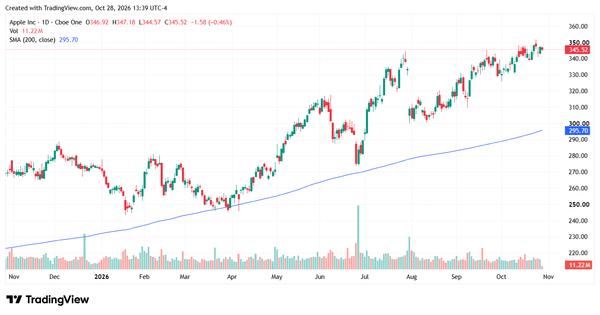
Apple Stock: Product Upgrades Could Support Pricing Power
Evercore ISI reiterated its Outperform rating on Apple, pointing to the potential benefits of its Mac and iPad refresh. The firm’s argument goes beyond faster devices. Evercore believes stronger performance, combined with higher pricing, could help Apple defend gross margins. It also sees a potential touchscreen MacBook Pro as another opportunity to expand the company’s premium offerings and lift average selling prices. That product expectation should be distinguished from a confirmed launch.
For investors, the appeal is straightforward. Apple does not necessarily need a dramatic increase in device sales to improve its hardware economics. If customers choose more expensive configurations, revenue per device can rise even when overall unit growth is modest.
But higher prices alone do not guarantee higher profits.
Evercore’s optimism offers a useful starting point. The stronger investment case would come from evidence that product improvements are translating into profitable purchases. For AAPL stock, investors should watch whether premium-device demand and pricing power translate into sustainable revenue and margin growth.
Amazon Stock: AWS Growth Leads the Bullish Case
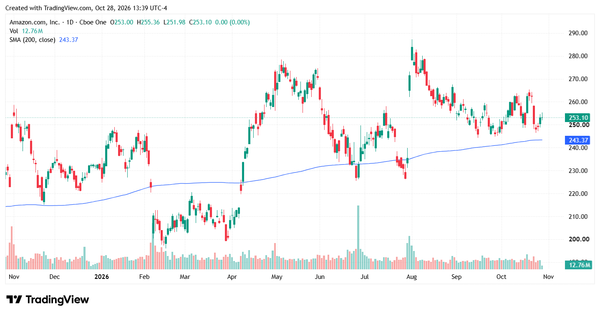
Truist reiterated its Buy rating on Amazon, expressing confidence ahead of its third-quarter earnings report. Amazon has scheduled its results conference call for Thursday, October 29.
The firm expects results toward the upper end of expectations, supported by sustained growth at Amazon Web Services and faster-than-industry growth in the North American marketplace.
That gives investors two operating trends to examine.
First is AWS, Amazon’s cloud computing business. Businesses rely on cloud services to run applications, store information, and support computing workloads. For Amazon shareholders, the question is whether customer spending can produce attractive growth while supporting profitability. Continued AWS growth could strengthen the bullish case for Amazon stock, particularly if cloud demand translates into higher operating income.
Second is the retail business. Growing faster than the broader industry would suggest Amazon is capturing a larger share of customer spending. However, sales growth becomes more valuable when the company can fulfill those orders efficiently. Investors should therefore evaluate retail margins and operating efficiency alongside revenue growth when assessing Amazon’s earnings potential.
AMD Stock: Data Center Growth Could Drive Higher Expectations
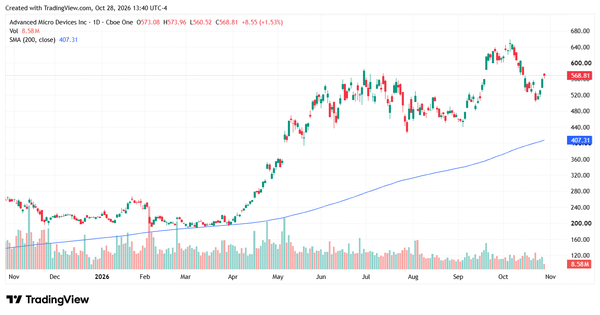
Susquehanna remains bullish on Advanced Micro Devices. The firm increased its price target to $650 from $620, anticipating stronger results and guidance driven primarily by the data center business. AMD has confirmed that it will report third-quarter results after the market closes on Tuesday, November 3.
For shareholders, the central issue is whether demand for computing infrastructure is becoming durable, profitable revenue. Enthusiasm about artificial intelligence can support investor interest, but quarterly results must eventually substantiate that enthusiasm.
Investors should watch data center sales, profitability, and management’s expectations for future demand. A strong quarter would be encouraging. Guidance suggesting continued momentum could be even more important. For AMD stock, sustained data center growth and evidence of profitable AI-related demand could help support the bullish analyst outlook.
Competition, customer spending decisions and product execution all remain relevant. Even a growing market does not guarantee that every supplier will meet ambitious forecasts.
The higher target reflects an analyst’s assessment of potential value, not a promised destination for the shares. Investors should compare Susquehanna’s $650 price target with AMD’s reported results, forward guidance, and valuation rather than treating the target as a forecast that must come true.
What Investors Should Watch in These Bullish Stocks
Across all three stocks, the next step is the same: compare the thesis behind the bullish analyst ratings with reported performance and valuation. Apple needs profitable upgrades, Amazon needs efficient growth, and AMD needs sustained data center momentum. Those results will carry more weight than another positive rating.
These bullish analyst ratings highlight three different potential growth drivers: Apple’s premium hardware, Amazon’s cloud and retail businesses, and AMD’s data center chips. For investors considering these bullish stocks, earnings results, forward guidance, and valuation will be more useful decision-making tools than analyst optimism alone.