Apple (NASDAQ: AAPL) heads into its Nov. 2 earnings report, and investors want to know whether the iPhone can continue to meet Wall Street expectations. At the moment, analysts expect another quarter of higher revenue and earnings.
But the bigger issue is what happens next. With the holiday shopping season approaching, investors want a clearer picture of demand, product availability, and whether rising costs are eating into profits.
Apple has scheduled its fiscal fourth-quarter earnings call for November 2 at 5 p.m. Eastern. The results will give investors a fresh look at the business and management’s expectations heading into its busiest selling season.
What Wall Street Expects
Analysts expect Apple to earn $1.99 per share on revenue of about $113.36 billion. That compares with earnings of $1.85 per share and revenue of $102.47 billion a year earlier. Those estimates imply earnings growth of about 7.6% and revenue growth of roughly 10.6%.
Management said revenue for the quarter ending in September would increase between 9% and 11%, despite currency pressures and supply constraints affecting several product categories. In plain English, Wall Street expects solid growth.
But investors will also want to know whether Apple can carry that momentum into the December quarter. A modest earnings beat could help. A stronger holiday outlook could matter even more.
The iPhone Remains the Biggest Question
The iPhone will likely dominate the conversation, particularly as investors sort through conflicting signals about the latest models.
Apple entered the quarter with strong momentum. In its June quarter, iPhone revenue reached approximately $54.25 billion, compared with $44.58 billion a year earlier. That was growth of nearly 22%. The question now is how well that demand is holding up.
UBS analyst David Vogt has pointed to shorter delivery waits as a potential sign of softer demand. Evercore ISI’s Amit Daryanani has cautioned against treating supplier cutbacks as definitive evidence of weaker customer purchases. That makes management’s commentary especially valuable. Investors need to hear whether customers are buying, which models they prefer, and whether Apple can supply the products they want.
Some Analysts Still See Room for Gains
Despite those concerns, JPMorgan recently offered a more optimistic view.
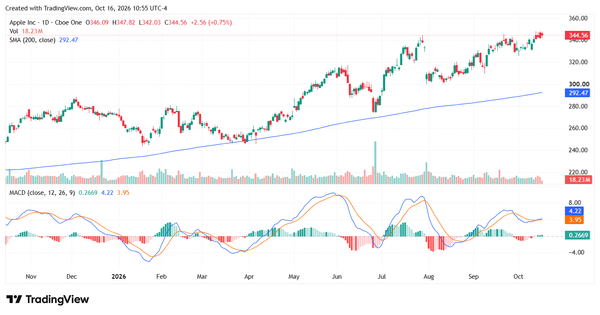
Analyst Samik Chatterjee raised his Apple price target to $360 from $340 while maintaining an Overweight rating. His outlook reflected confidence in premium iPhone demand and the potential benefit of a more expensive product mix.
Apple does not necessarily need a sharp increase in the number of phones sold to generate stronger revenue. If customers buy higher-priced models, the company can collect more revenue per device. For investors, the earnings report should help reveal whether premium pricing is supporting growth without pushing too many customers to the sidelines.
Services and Margins Deserve Attention
The iPhone gets most of the headlines, but Apple’s Services business remains another important part of the earnings story. Services revenue reached $30.74 billion in the June quarter, up from $27.42 billion a year earlier. The segment includes businesses such as subscriptions, cloud storage, and the App Store. Investors will want to see continued growth because these businesses help Apple generate revenue beyond the initial sale of a device.
Profitability deserves equal attention.
Apple reported a June-quarter gross margin of 50.1%, but tariff refunds contributed approximately two percentage points. Those refunds also added 11 cents to earnings per share. Investors should account for that benefit when comparing the upcoming results with the previous quarter.
What Could Move AAPL Stock?
Ultimately, Apple needs to give investors the confidence that growth can continue through the holidays. That means healthy iPhone demand, steady Services growth, and an outlook that shows supply constraints and costs are manageable.
The headline earnings number will grab attention first. But listen closely to what management says afterward. For AAPL shareholders, the most useful part of November 2 may be what the company reveals about the quarter still ahead.