The 2026-2027 flu season is underway. That means it’s time to get flu shots and try your best to avoid germs.
As anyone with a respiratory system will tell you, flu season isn’t fun. However, as any investor holding pharmacy and flu-related, coughing-sniffling remedy stocks will tell you, it’s one of the best times of the year.
For the 2024–2025 flu season, the CDC’s March 2026 summary estimated 51 million illnesses, 710,000 hospitalizations, and 45,000 deaths in the United States. For 2025–2026, numbers covering October 1 through May 23 ranged from 32 million to 57 million illnesses, 390,000 to 800,000 hospitalizations, and 19,000 to 60,000 deaths.
At the moment, the CDC reported that flu activity remained low. However, it’s increasing in many parts of the country, particularly along the West Coast.
As noted by Prevention, “I’m surprised that it’s happening earlier this year,” says Thomas Russo, M.D., professor and chief of infectious disease at the University at Buffalo in New York. “We had a couple of bad back-to-back flu seasons, and people developed immunity that should still offer some protection—but this is happening at least four weeks earlier than usual.”
Here are three options for investors looking to invest in flu season.
Clorox: Seasonal Growth With a High-Yield Dividend
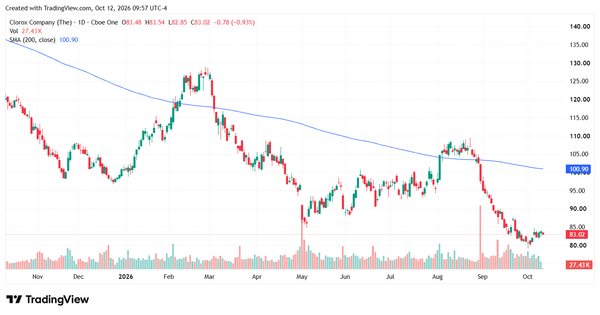
With a yield of 5.97%, oversold shares of Clorox (NYSE: CLX) are a bargain at $83.80. For one, going back to 2021, CLX tends to run higher around late October.
In October 2022, CLX ran from about $112 to just over $131. In 2023, CLX ran from about $116 to about $130. In 2024, CLX ran from about $151 to $155. In 2025, it didn’t do as well as it usually does, which isn’t typical.
However, with CLX severely oversold, investors may want to take advantage of this seasonal trend while also collecting a dividend with a yield of around 6%. Clorox will pay a dividend of $1.25 on November 13 to shareholders of record as of October 28.
CVS Health: Benefits From Seasonal Demand for Flu Shots
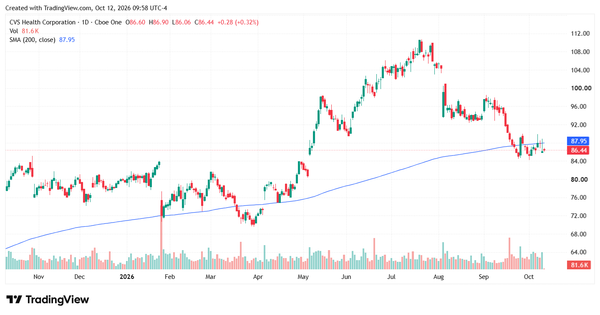
CVS Health (NYSE: CVS) may be one of the best “pure plays” on flu season. CVS could be worth buying ahead of the busiest stretch of flu season, as demand for vaccinations, prescriptions, and over-the-counter remedies could bring more customers through its doors. The company is already offering updated 2026–2027 flu vaccines at CVS Pharmacy and Minute Clinic locations nationwide, positioning it to capture that seasonal business.
In 2022, CVS ran from about $76 in October to about $89 by December. In 2023, it ran from $62 to $70.84. In 2024, it ran from about $56 to about $61.In 2025, it ran from about $73 to $77.
CVS Health is also an attractive dividend payer with a yield of about 3.1%. CVS will pay a dividend of just over 66 cents per share on November 2 to shareholders of record as of October 22.
Beyond flu season, CVS’s improving earnings strengthen the investment case. Following a strong second quarter, management raised its 2026 adjusted earnings outlook to $7.90 to $8.10 per share, supported by better results in its pharmacy and Aetna insurance businesses.
An ETF For Risk-Tolerant Investors
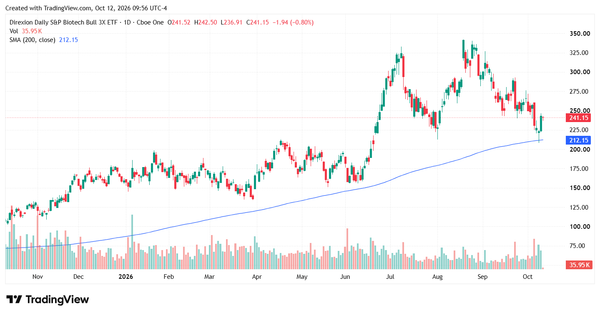
We can also look at the Direxion Daily S&P Biotech Bull 3x Shares ETF (NYSEARCA: LABU), which seeks 300% of the performance of the S&P Biotechnology Select Industry Index. The ETF holds flu stocks, such as Moderna (NASDAQ: MRNA). And when market commentary highlights rising flu or respiratory illness cases, it can draw short-term attention to the ETF.
In 2022, it ran from about $147 in October to a high of $181 by February. In 2023, it ran from $64 to about $132. In 2024, it ran from about $119 to $150. In 2025, it ran from about $93 to a high of $182.
Flu Season Stock Outlook: Dividends, Earnings and Risk
Flu season could give investors another reason to look at Clorox and CVS, particularly if stronger seasonal demand helps support their broader businesses. But the real investment case needs to last beyond the winter months. Earnings growth, dependable cash flow and sustainable dividends will ultimately matter more than a temporary increase in sales of disinfectants, vaccines or cold remedies.
LABU requires a different approach. It targets three times its biotechnology index’s daily performance, making it a more aggressive trading vehicle. Its leverage magnifies potential losses, and returns over longer periods can differ substantially from three times the index’s overall return.