Analyst stock ratings can be a good place to find your next stock idea, particularly when Wall Street identifies improving fundamentals or new growth opportunities.
Sometimes, an analyst sees a business improving before the broader market catches on. Earnings may be getting stronger. Costs may be coming down. Or a company could be entering a market that gives it more room to grow. Other times, they see warning signs, as Seaport analysts have with Anthropic (NASDAQ: ANT).
These analyst stock ratings can point investors toward something worth a closer look. Sometimes it’s a change in how fast a company is growing. Sometimes it’s the value of an investment buried inside a much larger business. Looking at several analyst calls together can also reveal where Wall Street sees the biggest opportunities and risks.
Seaport Wants to See Anthropic’s Sales Growth Pick Up
Seaport started coverage of Anthropic with a neutral rating. The firm said revenue growth slowed sharply in the third quarter and sees little reason to expect a big improvement in the fourth. To justify Anthropic’s valuation, Seaport thinks sales will need to grow much faster over the next two years.
Seaport’s view is that investors can afford to wait. The first few earnings reports will show whether the slowdown was temporary and how much it costs Anthropic to serve more customers. Both will matter as the company tries to turn demand for Claude into a business that can support its market value.
For investors following analyst stock ratings, Seaport’s neutral call highlights the importance of revenue growth and the company’s ability to translate AI demand into sustainable profits.
Amazon’s Anthropic Stake Lifts Oppenheimer’s Target to $310
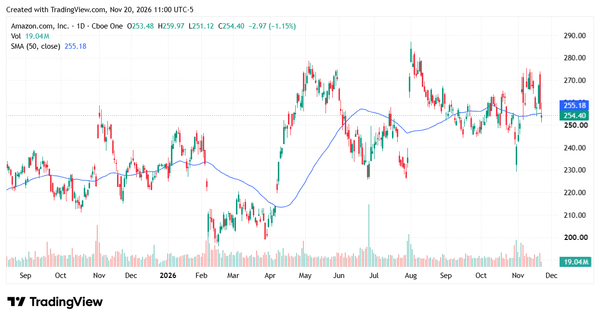
Oppenheimer kept its outperform rating on Amazon (NASDAQ: AMZN) and raised its price target from $285 to $310. The extra $25 per Amazon share comes from the firm’s estimate of what Amazon’s investment in Anthropic is worth.
Oppenheimer assumes Amazon’s Anthropic securities convert into about 3.5 billion shares. At $97 apiece, that works out to roughly $339 billion before any adjustment. Oppenheimer then applies a 15% discount. In plain English, the firm gives Amazon credit for most of the estimated value of the stake when working out what Amazon shares could be worth.
That estimate moves with Anthropic’s share price. If Anthropic falls sharply, the value of the stake falls with it, all else being equal. Amazon investors also have a separate question to consider. How much cash can its retail, advertising and cloud businesses generate after the company pays for new data centers and other investments?
Oppenheimer’s analyst rating illustrates how an investment in another company can influence Wall Street’s valuation of a much larger business.
Apple’s iPhone Duo Wait Times Are Getting Shorter
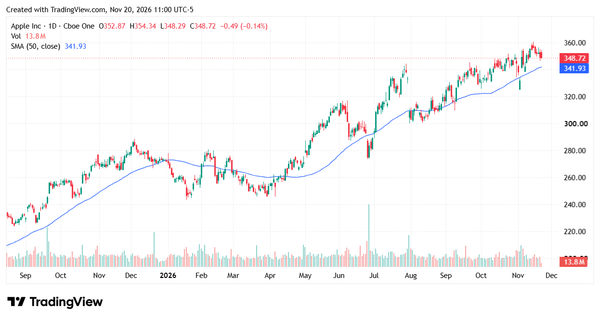
UBS kept its neutral rating on Apple (NASDAQ: AAPL). The firm tracks iPhone availability in more than 30 markets and found that the average wait for the Duo fell by about three weeks in a single week, to roughly 53 days.
Shorter waits can mean Apple is getting more phones into stores and into customers’ hands. They can also mean fewer people are placing new orders. Both can happen at once, which makes delivery times most informative when you look at them alongside sales.
Even after that improvement, the average wait was still more than seven weeks. Apple’s next earnings report may help show whether better availability helped turn more orders into sales.
UBS’s neutral analyst rating gives investors another reason to watch iPhone demand rather than assume that improving availability automatically means stronger sales.
Morgan Stanley Sees a New Market for Starlink
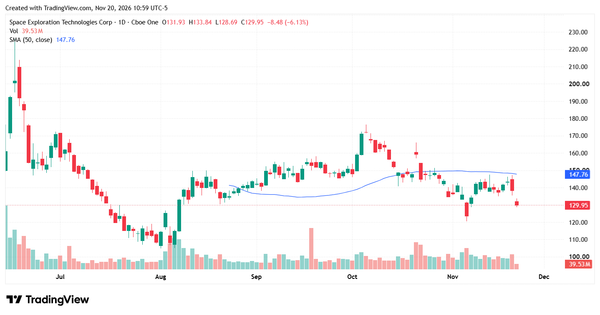
Morgan Stanley kept its overweight rating on SpaceX (NASDAQ: SPCX). The firm thinks investors are overlooking one potential use for Starlink, the company’s satellite internet service. Robots that can make decisions using their own onboard computers may still need to send information or stay in touch with human operators, especially in places with poor network coverage.
Picture a robot working at a remote mine. It could handle routine tasks on its own, then use a satellite connection to report a problem to someone off-site. If enough businesses put robots to work in places like that, SpaceX could gain customers that need reliable connections far from cities. For now, the question is how many businesses would pay for that service and how soon. Actual contracts and deployments would give investors a better way to put a value on the opportunity.
Morgan Stanley’s bullish analyst call identifies a potential growth market that could expand Starlink’s addressable customer base beyond traditional internet subscribers.
What Investors Should Watch in These Analyst Stock Ratings
Anthropic’s IPO shows how the same event can lead to two different calls. Seaport wants to see faster sales growth before getting more positive on Anthropic. Oppenheimer sees enough value in Amazon’s stake to raise its price target. Both views will be easier to judge once Anthropic reports its next round of results.
At Apple, the question is whether shorter iPhone Duo wait times translate into stronger sales. At SpaceX, it’s whether companies will pay to connect their robots through Starlink. That’s where analyst calls can be most useful. They give you a specific development to watch, so you can decide for yourself whether the stock is worth a closer look.
These analyst stock ratings offer investors four different developments to monitor: Anthropic’s revenue growth, Amazon’s investment valuation, Apple’s iPhone demand, and SpaceX’s potential robotics opportunity. Analyst opinions aren’t guarantees, but they can help investors identify the business trends and upcoming results that deserve closer attention.